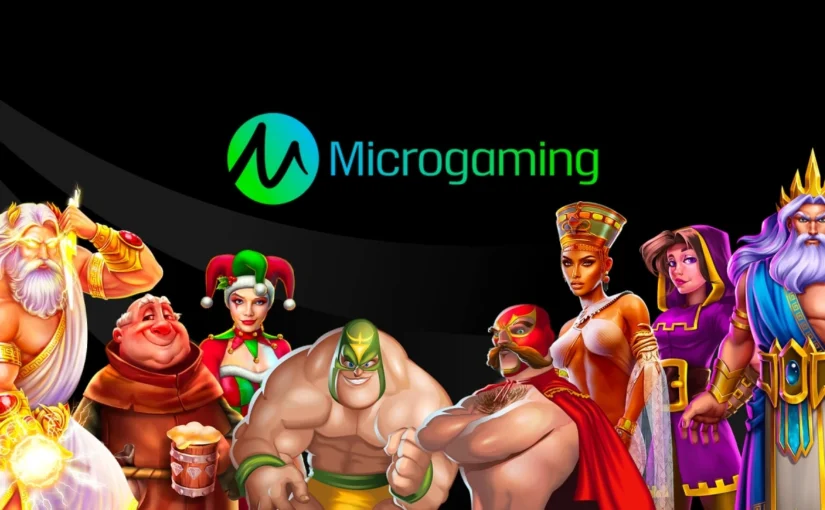
Microgaming adalah salah satu provider game slot tertua dan paling berpengaruh dalam industri iGaming, yang telah mengukir namanya sejak tahun 1994. Dengan portofolio ratusan game ikonik, Microgaming dikenal melalui grafis berkualitas tinggi yang memanjakan mata, fitur-fitur inovatif yang selalu menghadirkan kejutan, serta mekanisme permainan yang adil dan transparan. Salah satu keunggulan utama Microgaming adalah komitmen mereka terhadap transparansi, yang tercermin dalam nilai RTP yang jelas dan kompetitif untuk setiap permainan. Memilih game dengan RTP tertinggi adalah langkah elegan untuk meningkatkan peluang kemenangan dalam jangka panjang, dan Microgaming menawarkan beberapa game dengan RTP yang sangat menguntungkan.
RTP adalah persentase teoritis dari total taruhan yang akan dikembalikan kepada pemain dalam jangka panjang. Semakin tinggi RTP, semakin besar peluang Anda untuk mendapatkan kembali modal Anda. Microgaming memiliki beberapa game dengan RTP di atas 97%, yang menjadikannya pilihan favorit bagi pemain yang mencari nilai terbaik. Namun, perlu diingat bahwa RTP adalah nilai rata-rata yang dihitung dalam jutaan putaran, sehingga hasil jangka pendek bisa sangat bervariasi. Selain RTP, Anda juga perlu mempertimbangkan volatilitas atau tingkat risiko permainan. Kombinasi antara RTP tinggi dan volatilitas yang sesuai dengan gaya bermain Anda akan membantu Anda menemukan game yang paling menguntungkan.
Daftar Game Microgaming Dengan RTP Tertinggi
Berikut adalah beberapa game Microgaming dengan RTP tertinggi yang dapat Anda coba. Game-game ini tidak hanya menawarkan peluang kemenangan yang lebih baik tetapi juga menghadirkan pengalaman bermain yang menghibur dengan fitur-fitur inovatif. Mega Joker adalah salah satu game dengan RTP tertinggi dari Microgaming, mencapai 99%. Game klasik dengan nuansa retro ini menawarkan fitur Supermeter yang memungkinkan pemain untuk meningkatkan kemenangan mereka. Dengan volatilitas sedang, Mega Joker cocok untuk pemain yang menyukai permainan sederhana namun menguntungkan. Jika Anda tertarik untuk mencoba game ini, kunjungi halaman login slot di platform terpercaya seperti cr777 untuk mengaksesnya.
Immortal Romance adalah slot bertema vampir dengan RTP 96,86%. Meskipun tidak setinggi Mega Joker, game ini menawarkan pengalaman bermain yang mendalam dengan alur cerita yang menarik dan fitur bonus yang inovatif. Fitur “Chamber of Spins” memberikan empat level bonus berbeda, masing-masing dengan fitur dan pengali unik. Dengan volatilitas sedang hingga tinggi, Immortal Romance menjadi pilihan populer bagi pemain yang menyukai tema gelap dan misterius. Anda dapat menikmati Immortal Romance di cr777 setelah melakukan login slot.
Thunderstruck II memiliki RTP 96,65% dan menghadirkan tema mitologi Nordik dengan fitur “Great Hall of Spins” yang legendaris. Empat jenis putaran bonus dari dewa-dewa berbeda memberikan variasi dan potensi kemenangan besar. Fitur “Wildstorm” dapat mengubah hingga 5 gulungan menjadi liar secara acak. Dengan volatilitas sedang, Thunderstruck II cocok untuk berbagai jenis pemain. Nikmati Thunderstruck II di cr777 dengan melakukan login slot terlebih dahulu.
Book of Atem: Might of Ra menawarkan RTP 96,5% dengan tema Mesir kuno yang memikat. Fitur “Might of Ra” memungkinkan simbol ekspansi mengisi seluruh gulungan, membuka peluang kemenangan besar. Putaran gratis dengan simbol khusus memberikan potensi pengali yang meningkat. Dengan volatilitas seimbang, game ini cocok bagi penggemar tema petualangan. Temukan Book of Atem: Might of Ra di cr777 setelah login slot.
Agent Jane Blonde adalah slot klasik bertema mata-mata dengan RTP 96,5%. Fitur “Wild Reels” dapat mengubah gulungan menjadi liar, sementara putaran gratis dengan pengali progresif memberikan kesempatan kemenangan besar. Volatilitas sedang membuatnya cocok untuk pemain santai. Mainkan Agent Jane Blonde di cr777 dengan melakukan login slot.
Mega Moolah memiliki RTP 88,12% karena kontribusi jackpot progresif. Meskipun RTP-nya lebih rendah, game ini menawarkan jackpot progresif yang telah mengubah banyak pemain menjadi jutawan. Dijuluki “Millionaire Maker”, Mega Moolah menghubungkan pemain dari seluruh dunia dalam jaringan jackpot. Dengan volatilitas tinggi, game ini menjadi pilihan bagi pemburu hadiah besar. Jika Anda ingin mencoba keberuntungan, kunjungi halaman login slot di cr777 dan coba Mega Moolah.
Break da Bank Again menawarkan RTP 95,43% dengan tema perbankan dan fitur putaran gratis dengan pengali hingga 5x. Volatilitas tinggi menjadikannya pilihan bagi pemain yang mengejar kemenangan besar. Mainkan Break da Bank Again di cr777 setelah login slot.
Jungle Jim and the Lost Sphinx memiliki RTP 96,5% dengan tema petualangan di hutan. Fitur “Rolling Reels” memberikan kemenangan beruntun, sementara putaran gratis dengan pengali progresif menawarkan potensi kemenangan besar. Nikmati game ini di cr777 dengan login slot.
Tips Memilih Game dengan RTP Tinggi
Memilih game dengan RTP tinggi adalah langkah cerdas untuk meningkatkan peluang kemenangan dalam jangka panjang. Namun, selain RTP, Anda juga perlu mempertimbangkan volatilitas, fitur bonus, dan mekanisme permainan. Game dengan RTP tinggi tetapi volatilitas sangat tinggi mungkin tidak cocok untuk pemain dengan modal terbatas. Sebaliknya, game dengan RTP sedikit lebih rendah tetapi volatilitas rendah mungkin lebih cocok untuk pemain yang ingin bermain lebih lama. Pilihlah game yang sesuai dengan gaya bermain dan anggaran Anda.
Selain itu, selalu periksa RTP sebelum memulai permainan. Anda dapat menemukan informasi ini di bagian informasi game atau di situs resmi provider. Di cr777, Anda dapat dengan mudah menemukan informasi RTP setiap game dan memilih yang terbaik. Jangan lupa untuk login slot dan mulai menjelajahi koleksi game Microgaming dengan RTP tertinggi. Dengan strategi yang tepat dan pemilihan game yang bijak, Anda dapat meningkatkan peluang kemenangan dan menikmati pengalaman bermain yang lebih menguntungkan.
Kesimpulan
Microgaming menawarkan berbagai game dengan RTP tinggi yang dapat meningkatkan peluang kemenangan Anda dalam jangka panjang. Game-game seperti Mega Joker, Immortal Romance, Thunderstruck II, Book of Atem: Might of Ra, Agent Jane Blonde, dan lainnya adalah pilihan yang sangat baik untuk pemain yang mencari nilai terbaik. Meskipun Mega Moolah memiliki RTP yang lebih rendah, potensi jackpot progresifnya menjadikannya pilihan menarik bagi pemburu hadiah besar. Untuk mengakses semua game ini, kunjungi halaman login slot di cr777 dan nikmati pengalaman bermain yang aman, nyaman, dan menguntungkan. Jangan lewatkan kesempatan untuk meraih kemenangan besar bersama cr777!